
There are more than 60,000 authors in the UK according to the International Publishers Association and they fight over the scraps left by celebrities, less than 30 per cent of the sales market for children’s books.
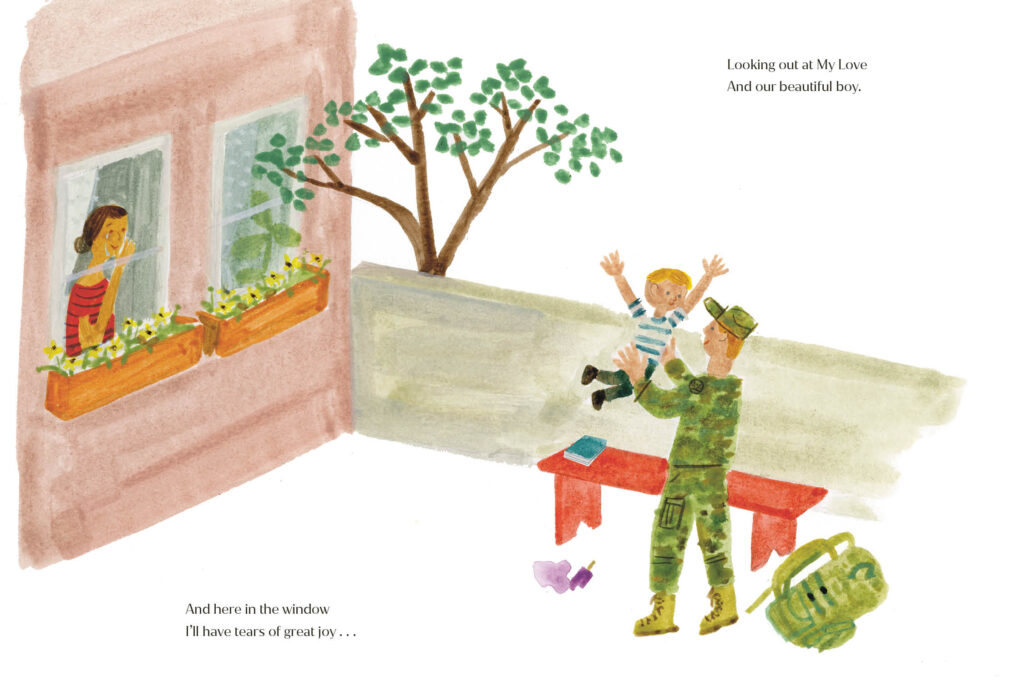
A few years ago, it was perfumes, now it’s children’s books. The ultimate brand extension for celebrities of a certain stature. When Meghan Markle released ‘The Bench’ earlier this year nobody was surprised. Markle joined a long list of celebrities from recent times including fellow former royal Sarah Ferguson and everyone from David Walliams to Fearne Cotton and Frank Lampard to John Travolta. Of the sixty or so celebrities to have released children’s books, it’s only Walliams who has gained universal praise for his efforts. The rest have at best, variable reputations in the field.
The prized messages of virtue should not be ignored from our celebrity children’s authors, “I’m thinking about the future generations.” Markle was particularly hopeful in this regard when promoting The Bench. It’s a mantra which sits well alongside the low risks of the subject matter. Dissenting voices can be met with: “Well, you’re not in tune with how children think.”

So, creatively, nobody is going to get panned for a book aimed at juniors. What proportion of sales do celebrities earn from their children’s books? Well, a damn sight more than the vast majority of real authors. It would not be uncommon for a celeb to receive 60 per cent of sales for their book and handsome advances. Real authors are lucky if they get anywhere near half this.
Was it always this way? It was certainly always tricky being an author, competition was rife, but now real authors face the limitless super power of celebrities.
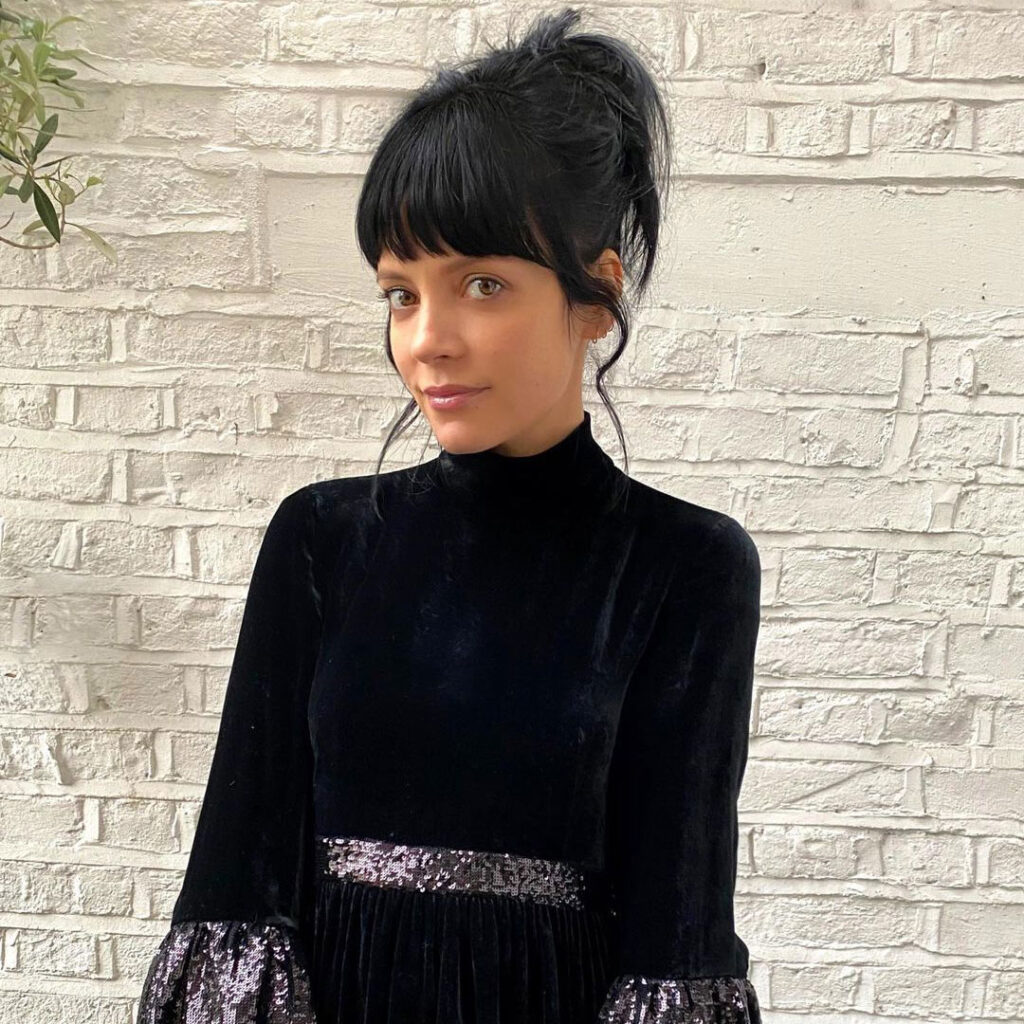
Why? Well, because publishers want ‘the cheap buck’ for celebrities’ books. Excuse the pun. Were Lily Allen to launch a children’s book say, an almighty Public Relations campaign would be put in place, newspapers would spin a story out of nothing to give Allen’s work publicity, four and five star reviews would be assured with a host of titles. TV channels and radio stations would be primed to interview Allen so she could plug her work. Then there’s the social media marketing to Allen’s ten plus million followers (5.2m on Twitter, 3.5m on Facebook and 1.5m on Instagram). Even a small fraction of this is a ready-made market. Distribution deals would be agreed with retailers both physical and online, and not just bookshops but supermarkets too.
All of this and nobody would have the slightest clue if Allen’s book was any good. In fact, does it even matter? All of this and when you think of it, the money isn’t even the only driver for the celeb, as it is the publisher. What matters is the fail-safe brand extension. For Allen, she’d be kept in the public eye, furthering her status as too exclusive for the likes of I’m a Celebrity and weighty enough to carry a product on her own, just as famous faces have with perfume.
And just how much of the work would be of Allen’s own doing? How much input would she have beyond the brand tone? Would she write the narrative and assimilate the sentence structures palatable for her young audience, or would a ghost writer? Would she have created the illustrations? Have any of the other celebrity authors? It’s open to doubt. They are created by professional artists using the finest technology around.
I don’t, by the way, have a grievance with Lily Allen, she’s wonderfully talented, intelligent and has a natural flair which might make her one of the better celebrity children’s authors. The point is, celebs circumnavigate merit as a matter of course. Allen would be no different, neither would Gemma Collins or Wayne Rooney. Now there is a worry.
Were JK Rowling and Allen both to start out now, who you having money on to succeed? Nobody outside of Rowling’s inner circle would ever have got to learn about Harry Potter. This one example serves to show where we are at with our children’s literature. Roald Dahl for people born in the 1980s and 90s, Lily Allen for their children, if they are lucky, or it’s Collins and Rooney.
Sour grapes? Possibly. But when you consider the conditions real authors – and not merely those who write children’s books – must contend with compared with celebrity authors it may be understandable. Of the 188,000 or so books released in the UK each year nearly all are either self-financed via a traditional publisher (and who can afford those?), or, in the overwhelming majority of cases, it’s the ‘oft toothless parish of self-publishing. Bang it on Amazon and hope for the best. You may as well put an ad in your local newsagents.
Credible distribution deals are a non-starter too, why would Sainsbury’s or Waterstones be interested in even reading a page of a book from a real author when ex-royals, ex-footballers and ex-reality TV stars are hogging the shelves?
So yeah, the real tragedy is that there are lots of amazing books capable of capturing our youngsters’ imagination and inspiring their minds or maybe there’s not, we’ll never know….because of our obsession with celebrity brands.
That’s enough from me. I’ve got illustrations to work on.